
Welcome To
Charmaine De Jager Ear Syringing
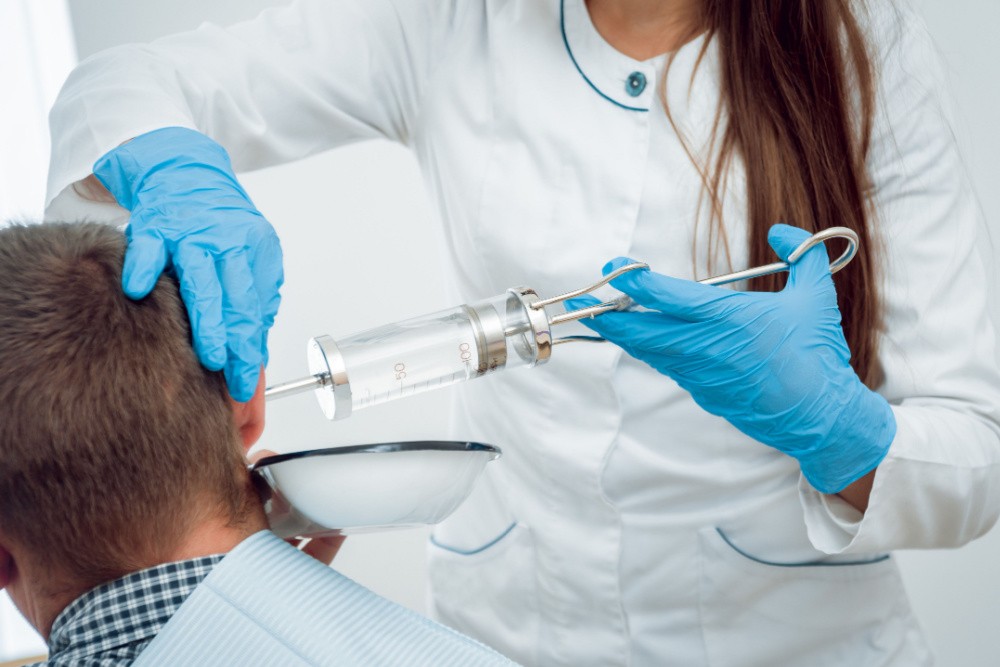
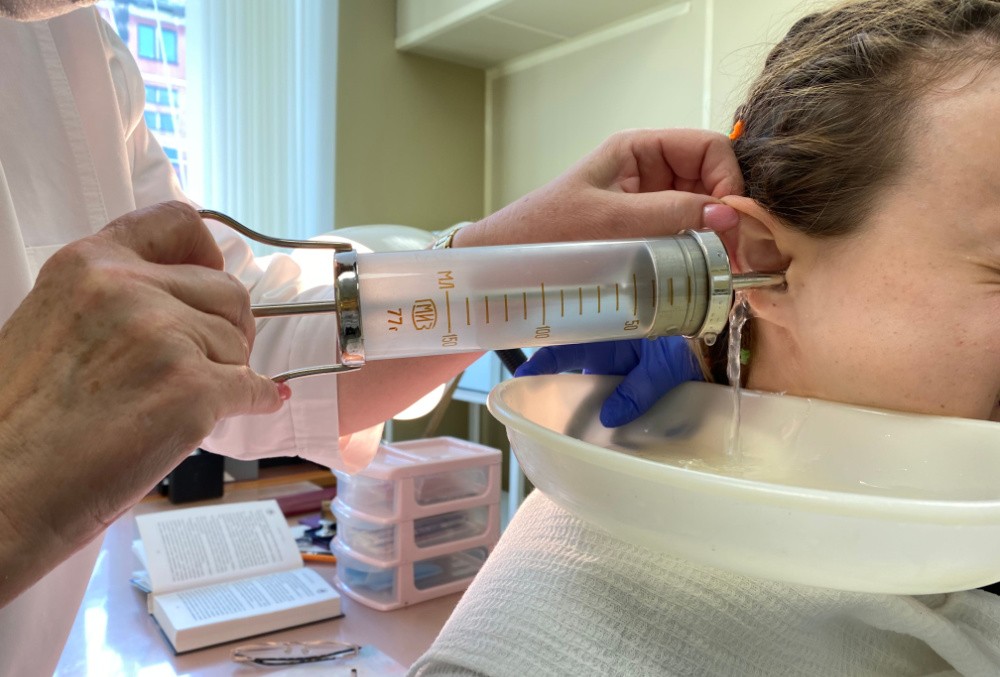
I provide a safe and effective ear syringing service using the irrigation method, this involves a controlled flow of pressurised warm water into the ear canal, which frees the wax and is quick and effective.
About Me
I am a qualified Registered Nurse/District Nurse. I am currently working within the NHS with 23 years of experience doing ear syringing.
I provide a safe and effective ear syringing service using the irrigation method, this involves a controlled flow of pressurised warm water into the ear canal, which frees the wax and is quick and effective.
The client should apply olive oil or similar ear softener 5 to 7 days prior to irrigation.

What is Ear Wax?
Ear wax is a normal part of our body and is produced by the cells in the ear canal. It is produced and slowly moves outwards. Dirt, dead skin cells and micro-organisms which might cause infection get trapped in the wax and are removed from the ear canal with the wax as it moves outwards.
Sometimes this wax can build up and cause blockage of the ear canal. When this happens symptoms can occur such as earache, reduced hearing, tinnitus (ringing) in the ear or a sensation of fullness or blockage.
Some people naturally produce more wax than others and are more prone to getting a build of wax in the ear. Some other features which might increase the likelihood of this happening include having narrow or hairy ear canals, overzealous cleaning with cottons buds or fingertips, certain skin conditions or working in very dusty environments.
There are things you can do to treat wax and to help prevent the build up of wax:
-
Using a few drops of olive oil in each ear once per week can help soften the wax and allow it to move outwards naturally
-
Avoiding using cotton buds and only cleaning the external part of the ear
If wax does build up you GP can have a look and see if there is a build up of wax. Sometimes if the wax has blocked the canal and drops haven’t helped, people choose to have the wax removed. Two common ways to do this are microsuction or ear syringing.
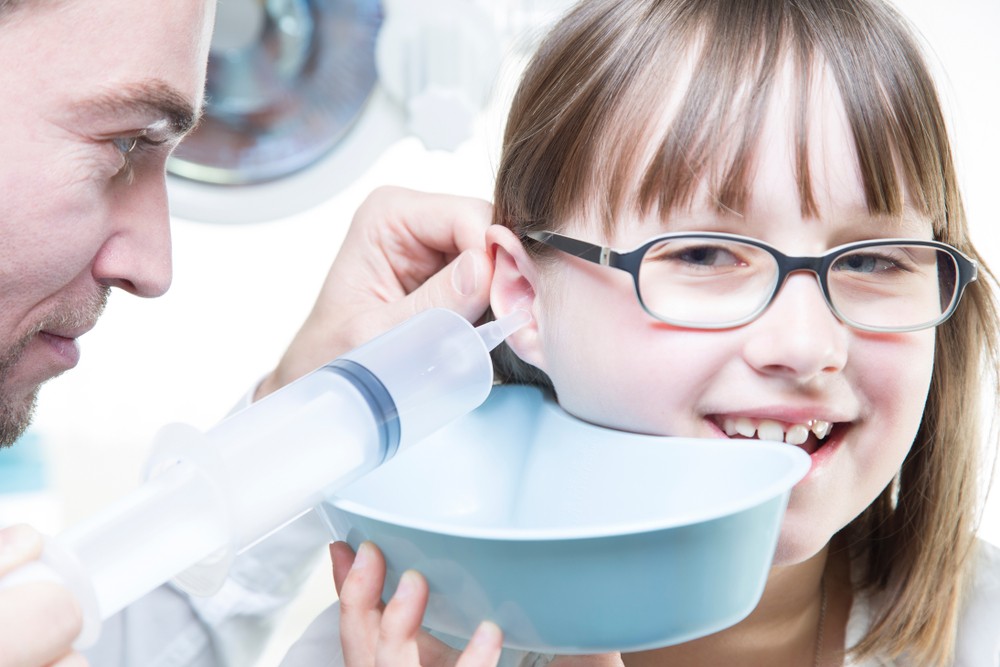
Ear syringing involves gently syringing some water into the ear canal to flush out the wax. You cannot have your ears syringed if you have deafness in one ear, have Grommets in place, have had previous ear surgery, have had a cleft palate, have had a perforated eardrum or if you have an infection in the ear.
What is Water Irrigation?
Irrigation earwax removal is an ideal method of ear cleaning for people who are comfortable with it. The irrigation solution is carefully warmed to body temperature for comfort. Ear wax removal by irrigation has completely replaced ear syringing. Ear syringing as a method of ear cleaning is pretty much discredited, it could cause more problems than it cured and often it didn’t remove the ear wax
How does Water Irrigation work?
Irrigation is safer and more effective because it uses a controlled flow of water. The process is undertaken using an electronic ear irrigation machine, which is basically a water pump. The machine contains a reservoir unit for water and a hand-held nozzle which is used to gently spray water into the ear canal at a controlled and steady rate. The water removes the ear wax build-up, flushing it out of the canal to be captured in a special tank which is held under the ear.
Irrigation is an exceptionally safe and comfortable method of earwax removal. The use of liquid ensures that the ear is washed completely clean. Most people find it a comfortable process and quite relaxing, it is usually undertaken in about thirty minutes.

Reviews
Read the fantastic reviews left by some of our patients.
I’ve been a repeat customer for at least 5 years, and every visit has been a complete success. It’s always been a quick and pain free experience, highly recommend.
Excellent service after being deaf in one ear after swimming Charmaine De Jager Ear Syringing fixed my hearing. Highly recommend thank you very much.
I had an excellent experience at Charmaine De Jager Ear Syringing. The procedure was quick and painless. I would definitely recommend her!
Preparation For Irrigation
Ear irrigation is not risk free; therefore it is only carried out if the ear is completely blocked with ear wax.
Partial blockage of the ear canal only requires irrigation if you wear a hearing aid or need a special
examination.
Ear syringing can cause injury to the ears, ranging from minor infection, acute and chronic tinnitus (ringing
in the ears), to perforation of the ear drum and deafness.
Contraindications to having ears syringed
- Complications following previous ear irrigation
- A current ear infection or an infection within the last 6 weeks.
- Any previous ear surgery (apart from grommets which have come out 18 months ago)
- Grommets in situ
- A current perforation or history of ear perforation
- A cleft palate ( even if it has been repaired)
- Recurrent otitis externa
Before the procedure
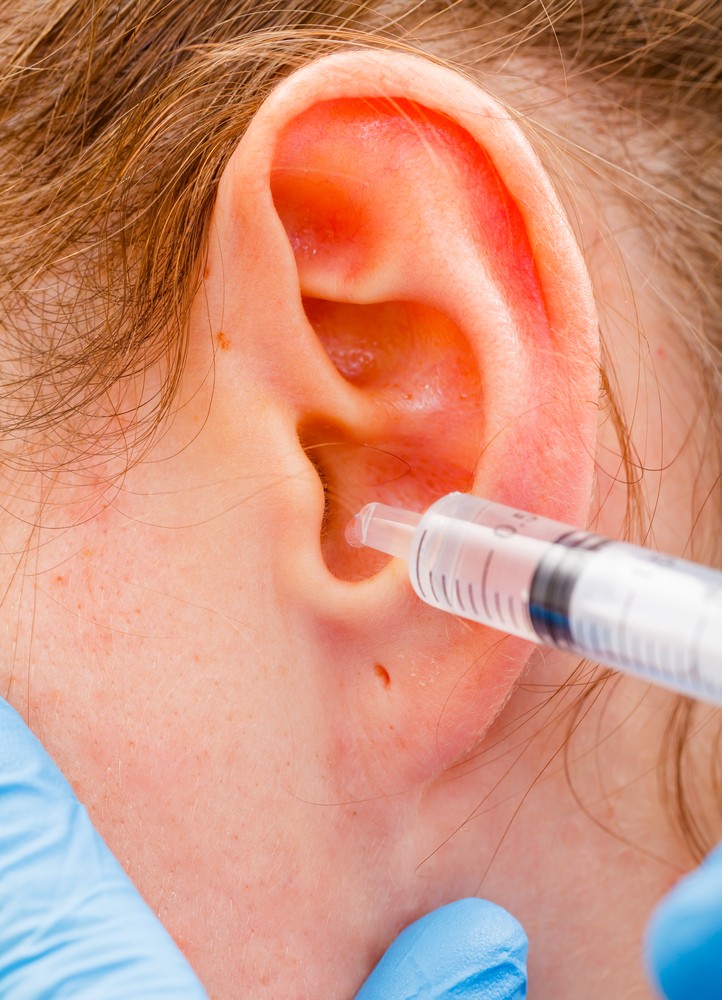
Ear drops alone will often clear a plug of wax. You can buy drops from pharmacies. For example olive oil drops are commonly used for this purpose. Warm the drops to room temperature (leave the bottle stand in the room for about half an hour).
To put in drops, lie on one side with the affected ear uppermost. Drop four or five ear drops into the ear and leave in place for 10 minutes. You should remain lying on your side during this time, do not use cotton wool to “plug” the ear. The drops should be used twice a day for a minimum of 14 days. Very rarely, the drops may cause discomfort, burning, itching. If this happens, stop using drops and seek advice from the
practice.
To minimise risk of injury, the wax should be softened with softening ear drops for at least 14 days before
syringing.
During the procedure
It can be uncomfortable to have your ears syringed but it should not be painful. If you experience any pain
or dizziness during the procedure, tell the nurse immediately. It is important that the water is at a
comfortable temperature, you must say if it is too hot or too cold.
After the procedure
Rarely ear irrigation can cause damage to the ear or ear drum. Therefore see a doctor or nurse after ear
irrigation if you:
- Develop an ear pain
- Develop troublesome itch in the ear
- Develop a discharge from the ear
- Have swelling of the tissues around the ear canal (which may indicate infection)
Ear care after irrigation
After you have had your ears syringed, keep them dry for a few days, as the protective wax layer has been
removed.
To keep the ears dry when you are washing your hair, place cotton wool which has been coated in
petroleum jelly (Vaseline) into the outside of the ear (not in the ear canal).
If you have continuing problems with ear wax, it may help putting in a few drops of olive oil once a week,
to keep the wax soft and aid the natural movement of skin cells and wax.
Ear wax is a normal body secretion; it provides protection against infection and dust particles. The ear is
self-cleaning, and the wax works its way out naturally. Never use cotton wool buds to clean inside your
ears, as they irritate the delicate skin inside the ear canal, they will also push the wax back into the ear and
compact it.
If you are unsure whether you wish to proceed with ear syringing, have ever had ear surgery or drum
perforation or are concerned about the risks detailed above, please do not sign the consent form as you
will need to discuss this with the nurse at your appointment prior to giving consent.
Contact
Get In Touch!
Address
1234 Divi Road
San Francisco, CA 93842
Phone Number
info@irrigation.acceler8showcase.co.uk
